
Corner 1
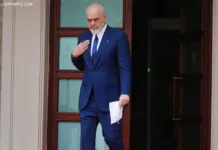
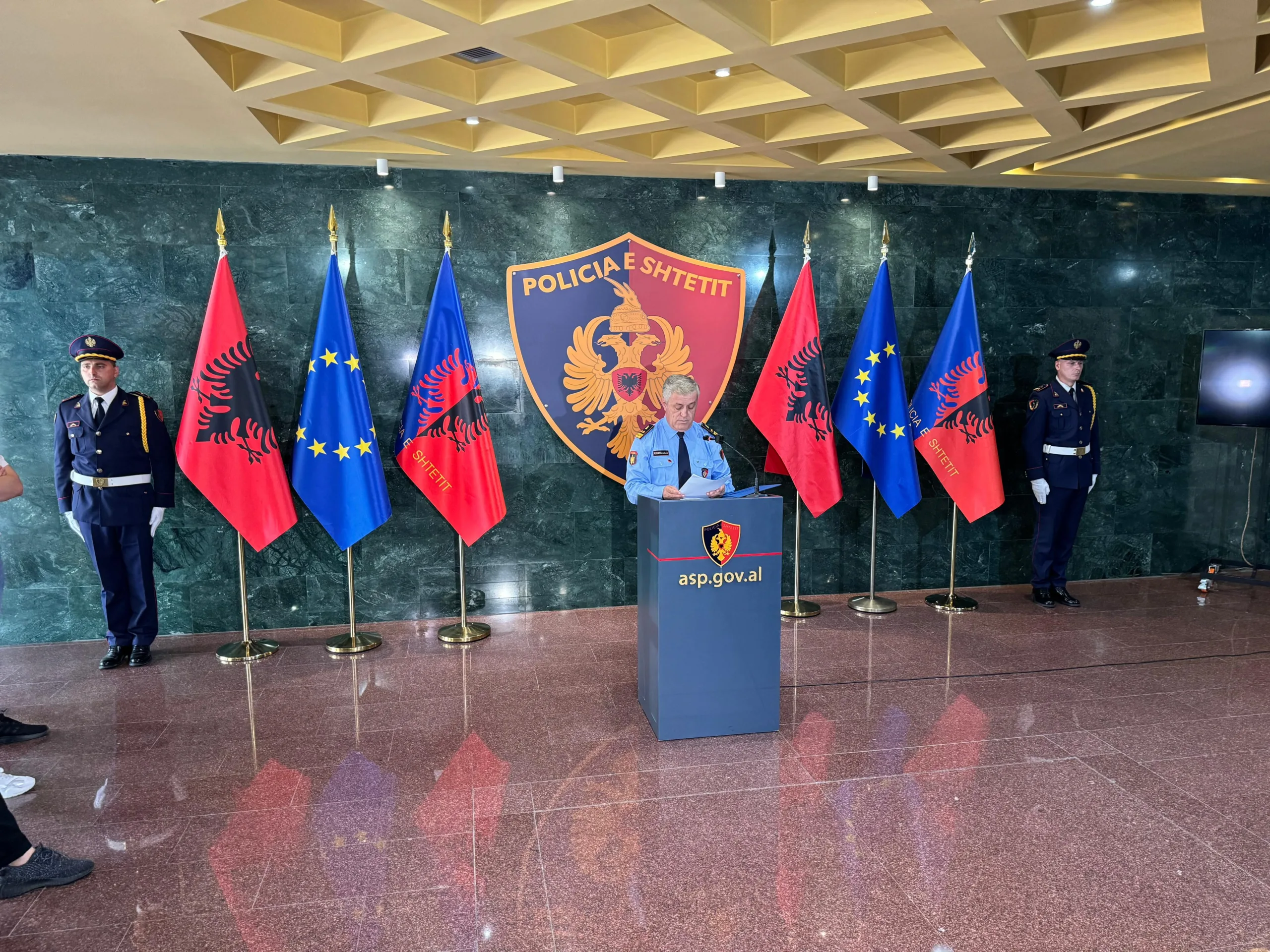
Mr. Rrumbullaku’s statement regarding the Pogradec incident, where the media and individuals commenting on social networks were suddenly found guilty, according to him, of spreading “deliberate and malicious disinformation against the State Police” could have been the next attempt to cover up the defects in the work of the state police or the state itself, if there were not a dramatic turn: Mr. Rrumbullaku stated that “The Directorate of Media Relations at the State Police and the respective departments dealing with criminal prosecution are investigating all social networks and are preparing criminal charges against every individual and every social network in relation to this deliberate disinformation…”
This statement, in which the state police publicly declares through a high-ranking representative that they will use the SLAPP model to strike at freedom of speech, speaks of a new strategy for freedom of the media and expression.
But this development in the violation of freedom of expression is not unannounced. The Albanian police have been baring their teeth against the media for some time.
Corner 2
At the end of May of this year, the State Police arrested a police officer and a journalist, and in vague language alluded to the distribution of fake news. This is a creative style of state institutions, which when they are on the verge of illegality, or when they want to give coded messages, create vague language.
Any police officer who sets up a fraud and blackmail scheme deserves to be banned, but a journalist who receives information from a police officer has no reason to be banned for “distributing fake news,” unless requested by the Albanian state court.
Even if the news were false, the journalist published the information provided by the sources, and he could not be detained without a prosecutorial or court decision. If the sources provided him with false news, it is not up to the State Police to “divide the case”.
Apparently, the message was for any journalist who publishes news about the state police to be careful, because they could be arrested.
Organizations and media outlets (those media outlets that are truly concerned about freedom of speech) raised their voices against the precedent. Apparently, the State Police considered this act of illegality and attack on the media a success. And the testing of “success” continued.
Corner 3
Days ago, I found it hard to believe the news that appeared on several portals, where the state police had summoned several former RTSH journalists/employees for questioning based on a lawsuit for tarnishing the image of the public television, and they even wanted to confiscate their phones.
This act is so illegal that I refused to believe the news. First, that RTSH, in the misery to which Dr. General Peza has led it, has such a tired image and RTSH is so insignificant in the Albanian television space that complaining about image damage deserves an Oscar for comedy; but, most importantly, that “image damage” is a civil lawsuit issue and does not fall within the legal scope of the state police. Moreover, the seizure of phones is such an anti-legal act that, if true, whoever did it should not only be stripped of their uniform, but also deserve to be criminally charged for abusive seizure. Hence, my disbelief.
But this news, which I didn’t want to believe, seems to be accurate. From phone conversations with at least 2 of the detainees, it appears that the motive for calling the police and the request to “surrender” the phone really happened.
Safe Journalists Network has been waiting for more than a week for a response to its request for information from the State Prosecutor’s Office and the Police regarding the case. And the longer this response is delayed, the more likely it is that this is true.
So, we have yet another illegal act by the State Police in an attempt to silence journalists and citizens who express their opinions on social networks.
Corner 4
Attempts to silence the media, especially online media, because TV stations have long been silenced with benefit packages, did not originate with Mr. Rrumbullaku. The reason is always the same: the government or certain institutions claim to be amber, and are ruining their “image” through “malicious disinformation”.
The latest act declared by Mr. Rrumbullaku, where by means of criminal charges (where does Mr. Police Director find it based on the law that defamation is a criminal act, only he knows) they will persecute those who give their opinions on social networks or publish news in the media that Mr. Rrumbullaku does not like, has only one purpose: to intimidate. This strategy, known as SLAPP, the continuous filing of lawsuits either to scare or to financially torture journalists, is morally reprehensible by media and human rights organizations and by European institutions.
I have to tell Mr. Rrumbullaku that he has lost this battle. Another powerful person tried to pass an anti-defamation package, but he clearly received the response of Europe and media organizations.
The strategy of Mr. Rrumbullaku or whoever is behind it, although it may give them a taste of “success” in some cases, will not work.
It will only push Albania lower on the list of countries without media freedom and cause a new trauma for the Prime Minister, who, after strongly supporting the rounded strategy against the media, is worried once a year when he sees that “his” Albania is ranked so low.
In fact, “his” should be written without quotation marks.
Because this Albania is not even Mr. Rrumbullaku’s, much less ours. This Albania where you shouldn’t even dare to comment on social networks because Mr. Rrumbullaku threatens you with prison, is HIS.
It is Enver Hoxha’s Albania.

Koloreto Cukali u lind në Tiranë, ku dhe u diplomua për Filozofi në Universitetin e Tiranës.
Që nga viti 2000 Kolo ka punuar në media të ndryshme: radio, TV, shtyp dhe në mediat e reja. Prej mbi 15 vjetësh ai është një kolumnist i shpeshtë nëpër gazeta të ndryshme ditore dhe në media të reja.
Kolo është gjithashtu dhe kineast, duke realizuar filma, serialë e dokumentarë të ndryshëm, si skenarist, regjisor e producent.
Që nga viti 2017 Kolo shërben si Kreu i Këshillit Shqiptar të Mediave, një organizatë gazetarësh qëllimi i së cilës është të vendosë standarde etike dhe të ndërtojë mekanizma të vetë-rregullimit në vend.