


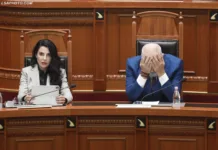
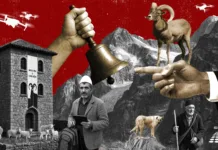
After Erion Velija's last performance, those who suffered most emotionally from the attacks against Robert Ndrenika were more or less those who are suffering...
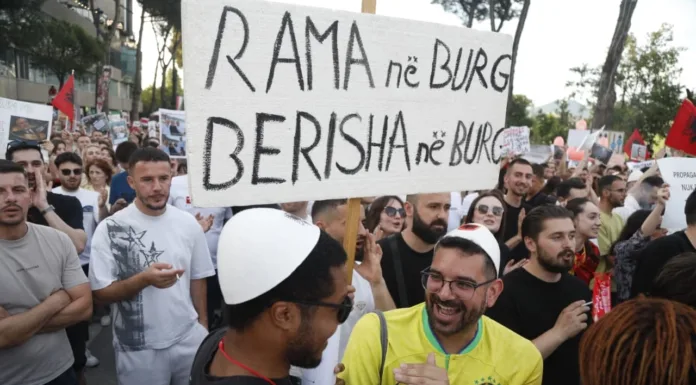
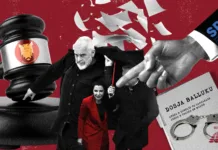
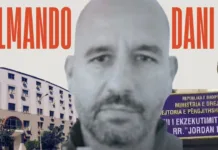
When Sali Berisha was declared “non grata” in 2021, many considered it the end of his political career. But he chose not to retreat. For five years, he fought against political isolation and the idea that his fate was sealed. If today his status is lifted, the question is no longer whether Berisha can return. The question is whether the Democratic Party and Albanian politics are ready for the post-Berisha era.
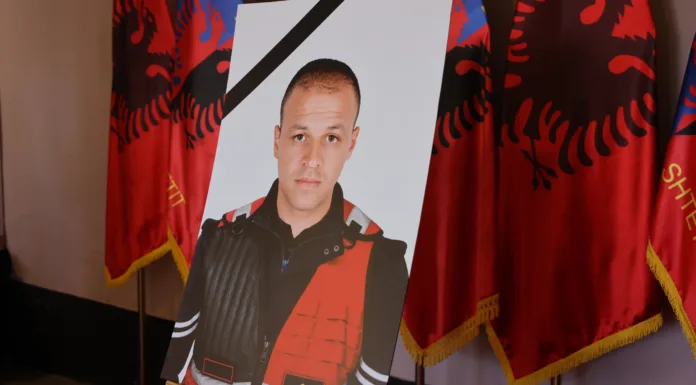
Enea today has become something greater than himself. He has become a symbol, living proof that service to one's homeland and people has a price, and that there are men and women who are ready to pay that price.
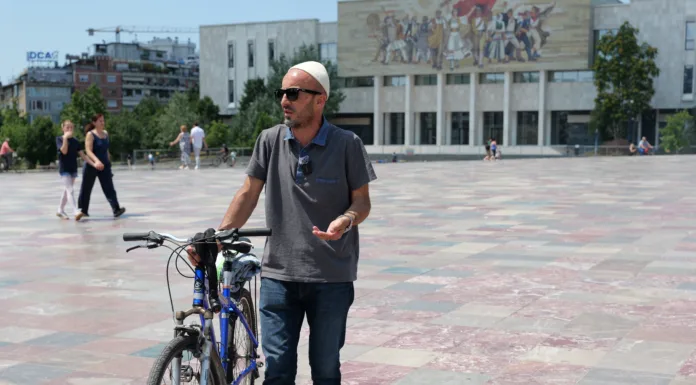
Arben Kola, tourist guide, environmental activist and one of the organizers of the Flamingo Revolution, has become one of the most prominent figures of civic engagement, linking the cause of nature protection with the demand for a more democratic and just Albania.

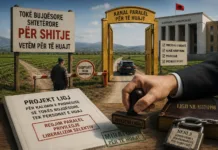
Meanwhile, Albania hosts millions of tourists a year, who spend much more on small businesses, such as bars, restaurants, stalls, fast-food, rentals, taxis, markets and guides. A closed resort like this one of Rama's lovers can make a lot of dollars, but it keeps all the money within its walls and then takes the profit across the ocean, to the economy of another country.
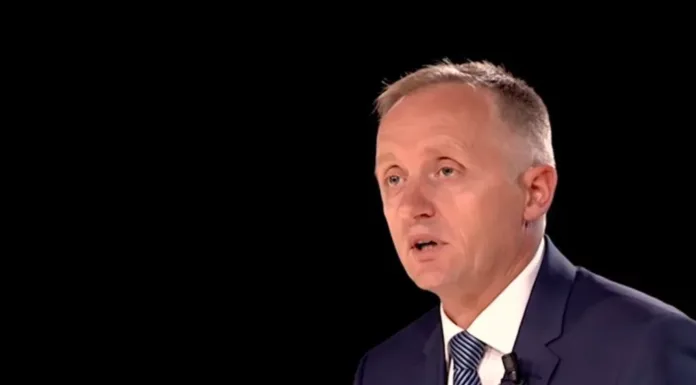
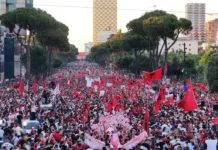
The big question hanging over the squares is whether this street pressure will remain an amorphous pressure movement or will it have the courage and maturity to take the form of a new political movement.
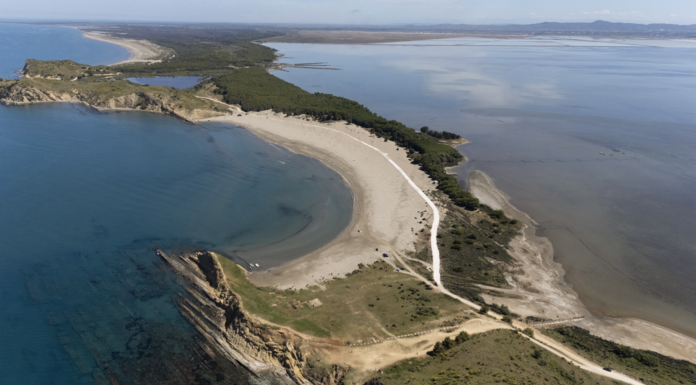
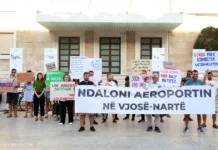
The resolution adopted on June 17 directly links Vjosa-Narta to the government's legal changes and calls for a ban on new development procedures in protected areas.
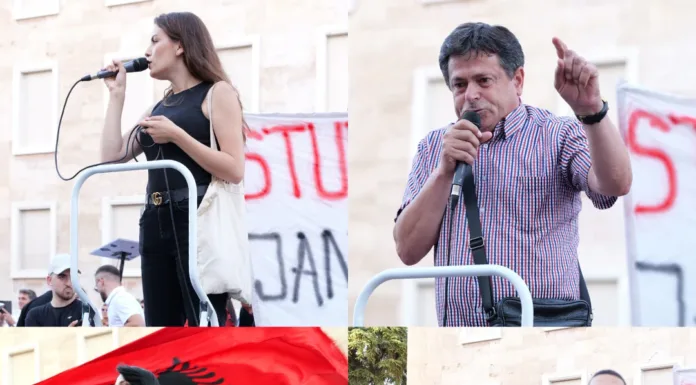
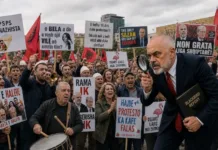
The largest opposition party is faced with a paradox: this is the largest protest of the post-communist period, but it is not taking place under its own slogan. The public is protesting as much against the government as against the old way of doing politics.
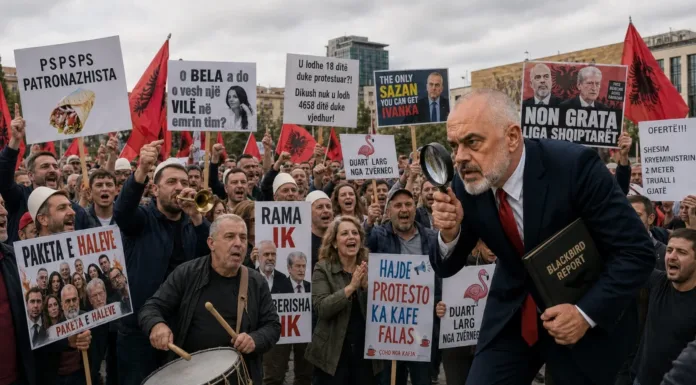
He desperately needs Iran. Everything, just to throw it at him this time and continue to stay there. And to see that pink book on Albania through to the end, to turn this country into a big house with architects and lobbyists in the living room, oligarchs and investors in the dining room, and a big money laundering machine in the basement.
The protest in Zvërnec highlighted a deep-seated problem of the Albanian media: the lack of reporting on events of high public interest. In this opinion piece, Lutfi Dervishi argues that the silence of many media outlets in the face of the protest damages their credibility and increasingly pushes citizens away from social networks as a source of information. According to him, the media risks losing its public role when it chooses not to report reality.